Longevity Hub · Regenerative medicine
Mesenchymal stem cells and FCells are the family that demands the most care in the Longevity Hub, so they are held to the house method: documentation reviewed at your assessment, the indication signed in someone's own name, and everything in writing before money is discussed.
The house method
Regenerative medicine works with cells and biological products, and that makes the method stricter, not looser. These three steps are the ones that govern this practice's operating room — same order, same record.
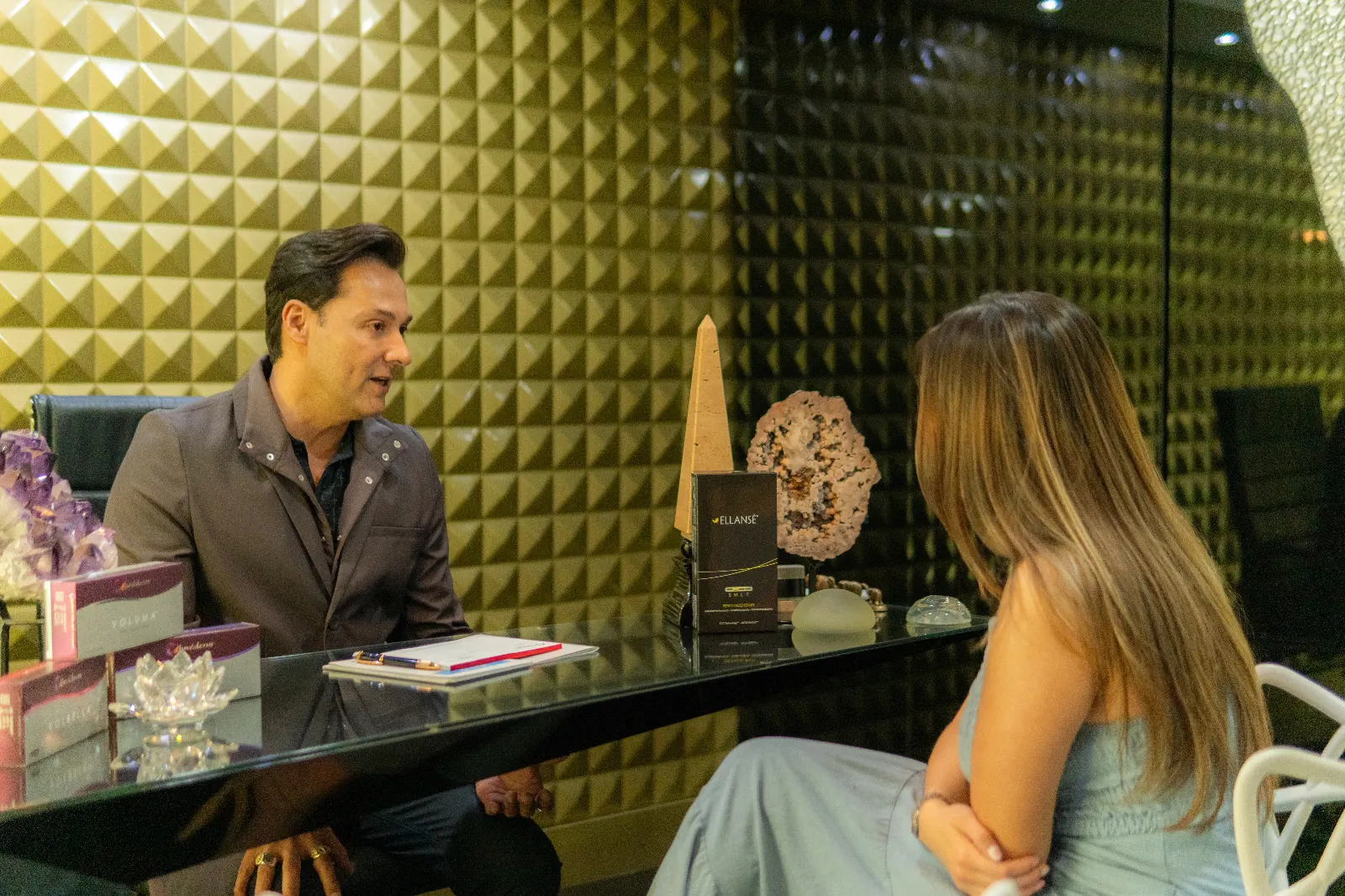
Before any indication is discussed, the product documentation is reviewed: name, origin and status with the health authority. That review happens at your assessment, with the papers on the table and with you in the room.
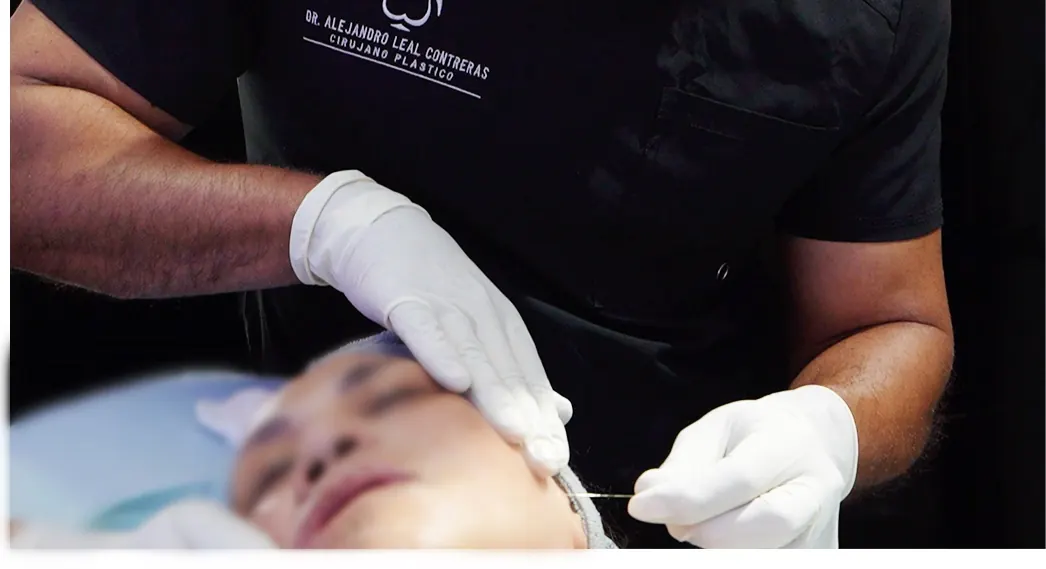
It is signed by the medical direction of Dr. Alejandro Leal, case by case, on your clinical history and in the same record the operating room and the K-Laser Room use. Nothing is indicated from a catalogue, a package or a promotion.
Product, status, risks and alternatives live in your informed consent. It is read calmly, signed knowingly, and only then is money discussed.
Your right before paying
It is not a favour and it is not an imposition: it is your right. Before accepting a cell protocol — at this practice or any other — these five answers are asked for in writing, and a serious practice hands them over without being pressed.
Name, origin and where it is sourced from, in writing and with documentation.
And for exactly which indication, said in those words.
Full name and specialty licence. Not the practice: the person.
Risks, alternatives and product status, written down before you sign.
Who answers, where you are seen, and with what backing. Beforehand, not after.
What is in the catalogue
They are in the Longevity Hub catalogue and you have a right to know them by name. What each one means for your case is defined at your assessment, with the documentation on the table.
Protocols that work with mesenchymal cells. They are part of the Hub catalogue and are indicated case by case, on your clinical history.
Their documentation — product, origin and status with the health authority — is reviewed at your assessment and written into your informed consent.
Regulatory status, number of sessions and duration are not published on this page: they are defined for your case and put in writing.
Whatever is proposed to you is handed over in writing before you pay.
A trade name in the Hub catalogue, associated with working with the patient's own cells.
What it involves, with which product and under what status is explained to you in consultation, with the documentation in hand.
The indication, the sessions and the schedule are defined at your assessment and written into your informed consent.
Before anything is charged, all of it in writing.
The current catalogue is confirmed at assessment: which protocol fits your case is decided there, on your clinical history and with the documentation in front of you.
Approved, off-label, investigational
In Mexico, medicines and health supplies require authorisation from the competent health authority in order to be marketed for a given indication. That means a protocol can be in one of three situations, and you have a right to be told which one yours is in, plainly, before you sign and before you pay.
Authorised
The product holds health authorisation for a specific indication. The document and the number covering it can be shown to you.
Off-label
It is proposed for something other than what it was authorised for. That is said in those words, the reasoning is explained, and it goes into the consent.
Investigational
It is still under study. That is said in those words, and written down before any decision is made.
The answer that counts is the exact word — authorised, off-label or investigational — said that way, before you sign and before you pay. In this field, “don't worry about it” is not an answer.
Who answers
No protocol in this family is applied from a catalogue, a package or a promotion. It is assessed case by case, on your clinical history, because a decision involving your body is one you make knowing — and knowing starts with knowing who answers for it.
That is Dr. Alejandro Leal, plastic, aesthetic and reconstructive surgeon, working from the same record the operating room and the K-Laser Room use.
What happens at the consultation
Risks
The risks of your case, with your clinical history in front of you, are gone through at the consultation and written into your informed consent before you sign.
Regenerative medicine questions
Morpheus8, FaceTite, BodyTite, AccuTite, K-Laser Blue and Blue Lifting — decided in the same assessment as the surgical options.
How the assessment, the stay and the follow-up work when you are flying in for treatment.
Indication and documentation first. The quote arrives once it is clear what is being done and why.
Who indicates and who applies
The indication is given by Dr. Alejandro Leal, plastic, aesthetic and reconstructive surgeon. No protocol is applied without a prior assessment: your clinical history first, then the indication, and all of it in writing.
Take the step
With your clinical history in front of you, the documentation on the table, and everything decided put in writing.